Cart
0
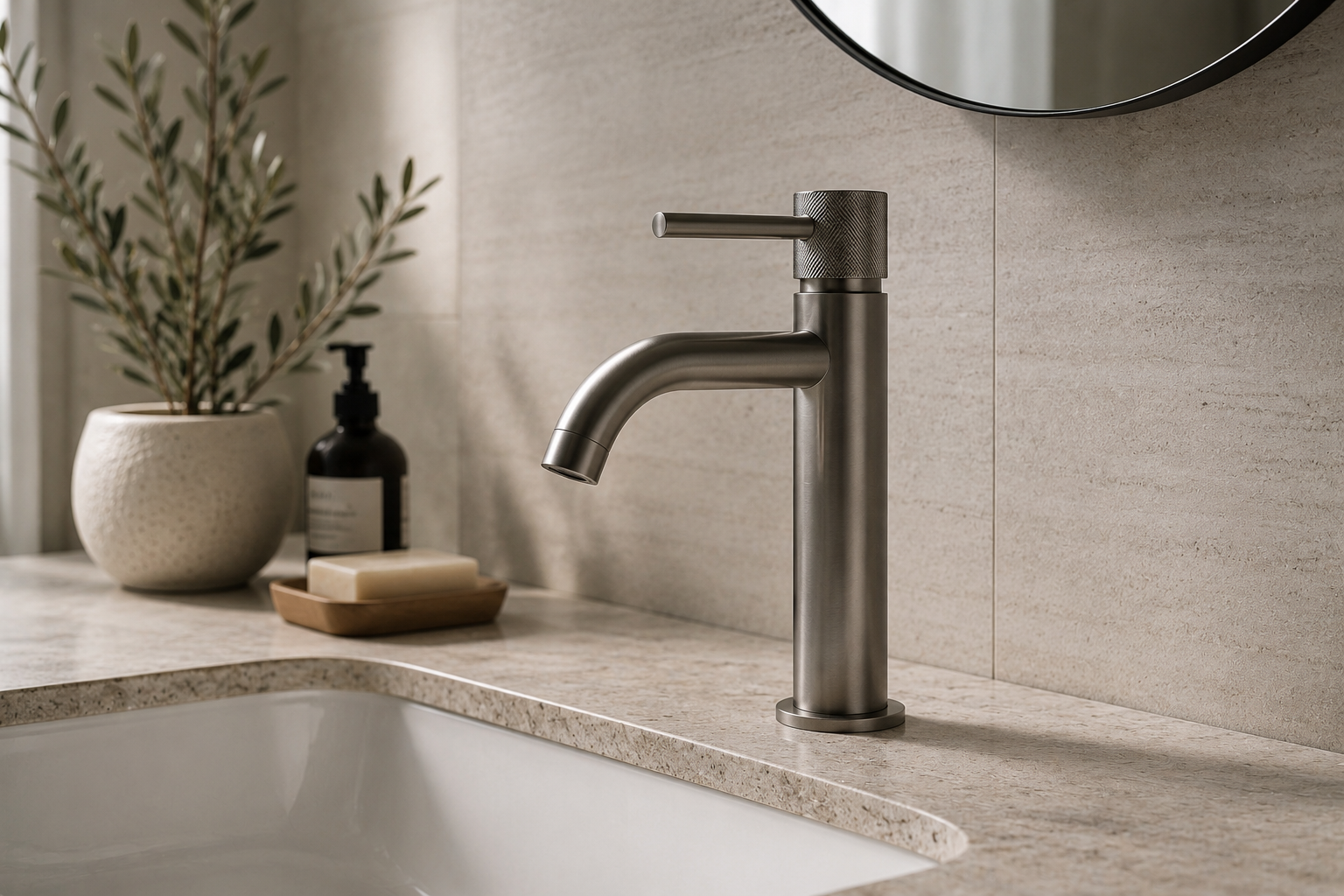
How Long Does Quality Tapware Last? Signs It's Time to Replace Yours
Quality tapware is one of the hardest-working features in any home. From preparing meals and washing dishes to your daily bathroom routine, your taps are used countless times every day. Yet many homeowners rarely think about their condition until they develop a leak, become difficult to operate or simply begin to look outdated.
So, how long should quality tapware actually last?
The answer depends on several factors, including the quality of the materials, the manufacturing process, water quality, installation standards and how well the tapware has been maintained over the years. While premium tapware can often last 20 years or more, lower-quality products may require replacement much sooner.
Knowing when to replace your tapware isn't just about aesthetics. Modern tapware offers improved water efficiency, smoother operation, longer-lasting finishes and enhanced durability, making it a worthwhile investment for many Australian homeowners.
At The Watermark Collection, we carefully curate premium kitchen and bathroom tapware designed to withstand everyday use while maintaining timeless style. Whether you're renovating, upgrading or simply wondering if your existing taps have reached the end of their lifespan, this guide will help you make an informed decision.
If you're considering an upgrade, explore our premium collection of Kitchen Tapware and Bathroom Tapware, featuring high-quality designs selected for Australian homes.
Featured Snippet: How Long Does Quality Tapware Last?
High-quality tapware typically lasts between 15 and 25 years, depending on the materials, finish, installation quality, water conditions and ongoing maintenance. Premium solid brass tapware with durable finishes such as PVD can often last even longer when properly maintained. Signs it's time to replace your tapware include persistent leaks, corrosion, worn cartridges, poor water efficiency, difficult operation and outdated finishes.
AI Overview: Average Tapware Lifespan
| Tapware Type | Typical Lifespan |
|---|---|
| Budget Tapware | 5–10 years |
| Mid-Range Tapware | 10–15 years |
| Premium Solid Brass Tapware | 15–25+ years |
| PVD Finished Tapware | 20–25+ years* |
*With correct installation, normal household use and appropriate maintenance.
Quick Comparison: Repair or Replace?
| If Your Tap... | Recommended Action |
|---|---|
| Has a worn washer or cartridge | Repair may be sufficient |
| Leaks repeatedly despite repairs | Replace |
| Shows corrosion or surface damage | Replace |
| Feels stiff or difficult to operate | Inspect and consider replacement |
| Is more than 20 years old | Consider upgrading |
How Long Should Quality Tapware Last?
Unlike appliances with motors or electronics, tapware has relatively few moving parts. However, that doesn't mean every tap will last for decades.
The lifespan of your tapware depends largely on what it's made from and how it's manufactured.
Premium solid brass tapware fitted with high-quality ceramic disc cartridges is engineered for long-term performance and can often provide reliable service for two decades or more. In contrast, inexpensive tapware manufactured with lower-grade materials may begin showing signs of wear after only a few years.
It's important to remember that lifespan isn't measured solely by whether water still flows. A tap may continue functioning while suffering from hidden issues such as internal wear, declining efficiency or deterioration of its protective finish.
What Affects the Lifespan of Tapware?
Several factors influence how long your kitchen or bathroom tapware will remain in excellent condition.
1. Material Quality
Solid brass remains the preferred material for premium tapware because it offers excellent strength, corrosion resistance and long-term reliability.
Lower-quality alloys may initially look similar but often deteriorate more quickly, particularly in humid environments such as bathrooms.
2. Surface Finish
The finish protects the tapware while contributing to its appearance.
Modern premium finishes such as PVD coatings provide exceptional resistance against scratching, fading and corrosion.
If you're comparing finishes, our guide to PVD vs Electroplated Tapware explains how different manufacturing methods can influence durability and long-term performance.
3. Water Quality
Australia's water quality varies significantly between regions. Hard water, mineral deposits and sediment can gradually affect cartridges, aerators and internal components, reducing the lifespan of any tapware regardless of brand.
4. Frequency of Use
A kitchen mixer in a busy family home may be used dozens of times every day, while a guest bathroom basin mixer might only be operated occasionally.
Higher usage naturally places greater demands on moving parts, making quality construction even more important.
5. Installation Quality
Even premium tapware can experience premature problems if it's installed incorrectly.
Professional installation helps ensure correct water pressure, secure fittings and long-term reliability.
Premium Tapware vs Budget Tapware
Although the initial purchase price is important, it's equally valuable to consider the total cost of ownership over the lifespan of your tapware.
| Feature | Premium Tapware | Budget Tapware |
|---|---|---|
| Expected Lifespan | 15–25+ years | 5–10 years |
| Corrosion Resistance | Excellent | Moderate |
| Finish Durability | High | Variable |
| Replacement Frequency | Low | Higher |
| Long-Term Value | Excellent | Often lower |
Investing in quality tapware can reduce maintenance costs, improve reliability and provide a more enjoyable everyday experience.
Does Proper Maintenance Make a Difference?
Absolutely.
Regular cleaning is one of the simplest ways to maximise the lifespan of your tapware. Harsh chemicals, abrasive pads and acidic cleaners can gradually damage protective finishes, even on premium products.
Instead, manufacturers generally recommend cleaning tapware with warm water, a soft cloth and a mild detergent.
For detailed maintenance advice, read our guide on How to Clean Kitchen Tapware Without Damaging the Finish, where we explain how proper care can help preserve both appearance and performance for many years.
Replacing Tapware Isn't Always About Failure
Many homeowners assume tapware only needs replacing when it stops working.
In reality, renovation projects often provide an opportunity to upgrade older fixtures that no longer suit the style or functionality of a modern kitchen or bathroom.
For example, replacing an older low-clearance mixer with a modern high-arc design can significantly improve usability.
If you're planning a kitchen upgrade, our Kitchen Mixer Height Guide explains how choosing the correct tap height can improve both functionality and everyday convenience.
Is Your Tapware Still Right for Your Home?
Durability is only one part of the equation.
As Australian kitchen and bathroom design continues to evolve, homeowners are increasingly choosing tapware that not only lasts but also complements contemporary interiors and delivers improved functionality.
In the next section, we'll explore the most common warning signs that indicate it's time to replace your tapware—even if it still appears to be working.
Signs It Is Time to Replace Your Tapware
Tapware does not always fail suddenly. In many cases, the decline happens gradually, with small problems becoming more frequent over time.
A minor drip, a stiff handle or a damaged finish may seem manageable at first, but these issues can indicate that internal components are wearing out or that the tapware is reaching the end of its practical lifespan.
Recognising the warning signs early allows you to plan a replacement before a more serious leak, water damage issue or complete failure occurs.
1. Your Tap Keeps Leaking
A leaking tap is one of the most obvious signs that something is wrong.
In some cases, the problem may be caused by a worn washer, damaged seal or ageing cartridge. These components can sometimes be repaired or replaced without changing the entire tap.
However, repeated leaks are a different matter.
If your tap continues to drip after repairs, or if the leak returns within a short period, the internal body may be worn, corroded or no longer able to create a reliable seal.
Persistent leaking can:
- Waste water over time.
- Increase household water usage.
- Cause staining around the sink or basin.
- Encourage mould or moisture damage.
- Signal internal component deterioration.
At this stage, replacement is often more practical than continuing to repair an ageing fixture.
2. The Mixer Handle Feels Stiff or Loose
Quality tapware should feel smooth and controlled when opened, closed or adjusted.
If the handle becomes stiff, jerky, loose or difficult to position, the ceramic cartridge or internal mechanism may be wearing out.
You may also notice that:
- The handle does not stay in position.
- Water temperature is difficult to control.
- The mixer squeaks or grinds during use.
- The handle requires extra force to move.
- Water continues flowing after the handle is closed.
A replaceable cartridge may solve the problem in a relatively new tap. For an older mixer with several signs of deterioration, replacing the entire fixture may provide better long-term value.
3. There Is Visible Corrosion
Corrosion is a strong indication that the protective finish or underlying material has deteriorated.
It may appear as:
- Rust-coloured marks.
- Green or blue staining.
- Pitting in the surface.
- Peeling or bubbling finishes.
- Damage around joints and fittings.
Surface deposits are not always corrosion, so it is worth gently cleaning the area first. If the marks remain, spread or reveal damage beneath the finish, the tapware may be permanently compromised.
Corrosion is particularly concerning when it appears around the base of the tap, under handles or near connection points, as these areas may also be affected internally.
For homeowners planning to replace deteriorated fixtures, selecting a durable finish can improve long-term performance. Our comparison of PVD and electroplated tapware finishes explains how the coating process can affect resistance to wear, fading and corrosion.
4. The Finish Is Faded, Scratched or Peeling
Tapware is a highly visible design feature, especially in modern kitchens and bathrooms where fittings are often selected to complement cabinetry, handles, basins and other fixtures.
Over time, low-quality coatings may:
- Fade unevenly.
- Peel around frequently touched areas.
- Develop scratches.
- Lose their original colour.
- Become difficult to clean.
Minor wear does not always affect function, but extensive finish damage can make the entire room feel dated or poorly maintained.
It may also expose the base material underneath, increasing the risk of further deterioration.
If appearance is the main reason for replacing your tapware, consider selecting a finish that suits both your interior style and maintenance preferences. The Watermark Collection offers carefully selected options across modern kitchen and bathroom designs, including timeless chrome and contemporary gunmetal finishes.
For a more detailed look at how popular finishes perform visually in Australian interiors, read our guide to comparing kitchen tapware colours.
5. Water Pressure Has Become Weak or Inconsistent
Poor water flow does not automatically mean the entire tap needs replacing.
Sometimes the cause is a blocked aerator, mineral build-up or an issue elsewhere in the plumbing system.
Before replacing the tap, check whether:
- The aerator needs cleaning.
- The issue affects only one tap.
- Both hot and cold water are affected.
- The flow changes when the handle moves.
- There is visible sediment in the outlet.
If cleaning the aerator does not improve the flow and the plumbing supply is operating normally, worn internal components may be restricting water movement.
In older tapware, replacement may be more cost-effective than trying to diagnose and repair several ageing parts.
6. The Tap Makes Unusual Noises
Whistling, rattling, squeaking or banging sounds can indicate problems within the tap or surrounding plumbing.
A whistling sound may be caused by a restricted aerator or worn internal component, while rattling may suggest a loose part or unstable fitting.
Unusual noises should not be ignored, particularly when they occur alongside poor flow, stiffness or leaking.
A licensed plumber can help determine whether the issue is isolated to the tapware or connected to household water pressure and plumbing.
7. Water Collects Around the Base of the Tap
Moisture around the base of a mixer can be easy to mistake for ordinary splashing.
However, if water repeatedly appears around the same area after the tap has been used, there may be a damaged seal, loose fitting or leak within the tap body.
This is especially important for tapware installed on timber, laminate or cabinetry, where ongoing moisture can lead to:
- Swelling.
- Staining.
- Mould growth.
- Cabinet damage.
- Benchtop deterioration.
Dry the area completely and monitor it after use. If water returns from beneath the tap rather than from normal splashing, arrange an inspection promptly.
8. Your Tapware No Longer Suits the Way You Use the Space
Sometimes tapware should be replaced even when it still functions.
Your household needs may have changed since the original fixture was installed.
For example:
- A low kitchen tap may not provide enough room for large cookware.
- A fixed spout may feel restrictive in a busy family kitchen.
- Older bathroom taps may be difficult for children or people with reduced mobility to operate.
- A dated mixer may no longer suit a renovated interior.
In these situations, replacement can improve convenience, accessibility and the overall user experience.
Homeowners upgrading a kitchen mixer should also consider the relationship between spout height, sink depth and surrounding cabinetry. Our guide to choosing the right kitchen mixer height explains how these measurements affect comfort and splash control.
9. Replacement Parts Are Difficult to Find
Older or discontinued tapware may become expensive to maintain if cartridges, seals, aerators or handles are no longer readily available.
Even when a temporary repair is possible, sourcing compatible components can take time and may not guarantee reliable long-term performance.
Replacement may be the smarter decision when:
- The manufacturer no longer supports the product.
- Parts need to be specially ordered.
- Several components are worn at the same time.
- Repair costs are approaching the cost of a new fixture.
- The tap has already been repaired multiple times.
Choosing tapware from a trusted supplier with clear warranty support and available replacement components can make future maintenance much easier.
10. Your Existing Tapware Is No Longer Water Efficient
Older tapware may use more water than necessary, particularly when aerators are missing, damaged or designed to older performance standards.
Modern tapware is often engineered to deliver a comfortable, controlled flow while reducing unnecessary water use.
Although water efficiency alone may not justify replacing a recently installed tap, it can be a strong reason to upgrade older fixtures during a kitchen or bathroom renovation.
When comparing replacement options, check the relevant product specifications and WELS information rather than assuming that all taps perform in the same way.
Repair or Replace? A More Detailed Comparison
| Condition | Repair May Be Suitable | Replacement Is Usually Better |
|---|---|---|
| Minor drip | Tap is relatively new and needs a washer or cartridge | Leak repeatedly returns after repair |
| Stiff handle | Single replaceable component is worn | Multiple internal parts are deteriorating |
| Surface marks | Marks are removable mineral deposits | Finish is peeling, pitted or corroded |
| Poor water flow | Aerator is blocked | Internal body is damaged or obsolete |
| Older tapware | Still performs reliably and parts are available | Frequent repairs, outdated function or poor efficiency |
The age of the tap should not be the only deciding factor. A well-maintained premium mixer may continue performing reliably after many years, while a lower-quality fixture can develop serious issues much earlier.
When One Tap Fails, Should You Replace the Whole Set?
Replacing every tap in a kitchen or bathroom is not always necessary.
If only one fixture has failed and the others remain in excellent condition, replacing the affected tap may be sufficient.
However, replacing multiple fixtures at the same time can make sense when:
- They were all installed at the same time and are showing similar wear.
- The original finish is discontinued.
- You want a consistent appearance throughout the room.
- You are already undertaking a renovation.
- Several taps require repairs.
For a coordinated result, explore the curated bathroom tapware range at The Watermark Collection, where matching designs can help create a more unified bathroom scheme.
Do Not Ignore Small Warning Signs
A dripping tap or slightly loose handle may not seem urgent, but small issues often become more expensive when left unresolved.
Early inspection can help you determine whether a simple repair is enough or whether replacement will provide a safer and more reliable outcome.
In Part 3, we will explain how to extend the lifespan of new tapware, what to look for when choosing a replacement, and how to decide between repairing and upgrading based on long-term value.
How to Extend the Life of Your Tapware
Whether you've recently installed new tapware or are planning an upgrade, proper maintenance can significantly increase its lifespan.
Premium tapware is designed to deliver years of reliable performance, but even the highest-quality products benefit from regular care and sensible everyday use.
Simple maintenance habits can help preserve both functionality and appearance.
Best Practices for Long-Lasting Tapware
- Clean regularly using warm water and a soft microfibre cloth.
- Avoid abrasive sponges and steel wool.
- Never use harsh acidic or bleach-based cleaners.
- Remove mineral deposits before they become heavy build-up.
- Check for small leaks before they become larger problems.
- Operate mixer handles gently rather than forcing them.
- Have unusual noises or persistent drips inspected by a licensed plumber.
Routine maintenance is far less expensive than replacing damaged fixtures and helps preserve the original finish for many years.
For detailed cleaning recommendations, read our guide on How to Clean Kitchen Tapware Without Damaging the Finish.
Choosing Replacement Tapware That Will Last
If you've decided it's time for an upgrade, choosing quality replacement tapware is one of the best long-term investments you can make.
Rather than focusing solely on appearance, consider features that improve durability, performance and everyday usability.
Look for:
- Solid brass construction.
- High-quality ceramic disc cartridges.
- Durable PVD or premium electroplated finishes.
- Reliable manufacturer warranties.
- Availability of replacement cartridges and spare parts.
- Products designed to suit Australian plumbing standards.
Investing in premium materials usually results in lower maintenance requirements and a longer service life.
If you're still comparing products, our comprehensive guide to choosing quality kitchen tapware explains the features professionals recommend before making a purchase.
Is It Worth Upgrading During a Renovation?
Absolutely.
Kitchen and bathroom renovations provide the perfect opportunity to replace ageing tapware, even if it is still functioning.
Installing new tapware during a renovation is generally simpler than replacing it later because:
- Trades are already on site.
- Access to plumbing is often easier.
- The new fixtures can be matched with sinks, basins and cabinetry.
- You avoid paying for additional installation visits later.
Many homeowners also use renovations as an opportunity to improve functionality by upgrading to:
- Higher kitchen mixers.
- Pull-out kitchen mixers.
- Water-efficient tapware.
- More durable finishes.
- Matching kitchen and bathroom collections.
If you're planning a kitchen renovation, selecting the correct tap height is just as important as choosing the finish. Our Kitchen Mixer Height Guide explains how to achieve the right balance between functionality and aesthetics.
Expert Recommendations from The Watermark Collection
At The Watermark Collection, we believe quality tapware should be viewed as a long-term investment rather than a short-term purchase.
When helping homeowners, designers and builders choose new tapware, we recommend prioritizing:
- Long-lasting construction.
- Timeless designs that won't quickly date.
- Premium finishes that resist wear.
- Comfortable ergonomics.
- Compatibility with your kitchen or bathroom layout.
- Reliable warranty support.
Choosing tapware that combines durability with thoughtful design helps reduce future maintenance while enhancing the appearance and functionality of your home.
Frequently Asked Questions
How long should premium tapware last?
High-quality tapware made from solid brass and fitted with ceramic disc cartridges can often last between 15 and 25 years, and sometimes longer with proper maintenance.
Should I repair or replace a leaking tap?
If the tap is relatively new and the problem is limited to a worn washer or cartridge, repair may be appropriate. However, repeated leaks, corrosion or multiple faults usually indicate that replacement offers better long-term value.
Does premium tapware really last longer?
Generally, yes. Premium tapware is manufactured using higher-quality materials, more durable finishes and better internal components, all of which contribute to a longer service life.
What is the most durable tapware finish?
PVD finishes are widely recognized for their exceptional resistance to scratching, fading and corrosion, making them an excellent choice for busy kitchens and bathrooms.
How often should kitchen tapware be replaced?
There is no fixed replacement schedule. Instead, replace kitchen tapware when it develops recurring faults, becomes inefficient, or no longer meets your functional or design requirements.
Can old tapware reduce water efficiency?
Yes. Older fixtures may lack modern water-saving technology or contain worn internal components that affect flow control and efficiency.
Should all tapware be replaced during a renovation?
Not always, but many homeowners choose to replace ageing tapware during renovations to achieve a coordinated appearance and avoid future installation costs.
How can I make my tapware last longer?
Regular cleaning, gentle operation, prompt repairs and avoiding harsh chemicals all help maximize the lifespan of quality tapware.
Final Thoughts
Quality tapware is designed to provide many years of reliable performance, but even the best products will eventually reach the point where replacement becomes the smarter option.
Persistent leaks, worn cartridges, corrosion, deteriorating finishes and declining functionality are all signs that your tapware may no longer be performing as it should.
Replacing ageing fixtures is about more than improving appearance—it can enhance everyday convenience, increase water efficiency and reduce ongoing maintenance.
When choosing new tapware, focus on products built from premium materials with durable finishes and proven long-term reliability.
At The Watermark Collection, we specialize in premium kitchen and bathroom tapware carefully selected for Australian homes. Our collection combines timeless design, exceptional craftsmanship and lasting performance to help you create spaces that remain beautiful for years to come.
Explore Premium Tapware Collections
Ready to upgrade your kitchen or bathroom?
Explore our carefully curated collections:
Continue your research with these expert buying guides:
- Best Kitchen Tapware Australia
- Kitchen Mixer Height Guide
- Kitchen Tapware Buying Mistakes
- Kitchen Tapware Colours Compared
- Kitchen Tapware Trends Australia 2026
- PVD vs Electroplated Tapware
- How to Clean Kitchen Tapware Without Damaging the Finish
If you're unsure which tapware is best suited to your home, visit The Watermark Collection showroom or speak with our experienced team. We'll help you choose premium tapware that delivers lasting performance, timeless style and exceptional value.