Cart
0
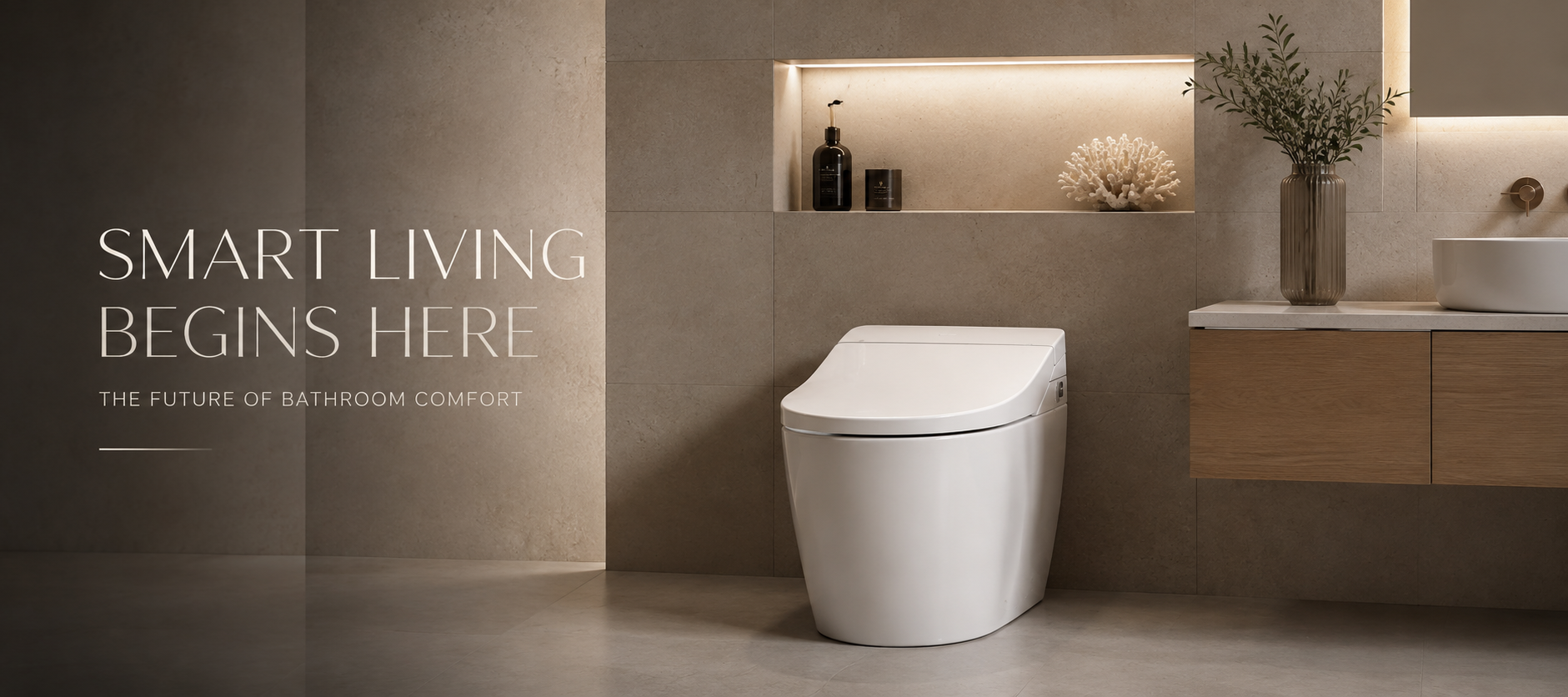
Smart Toilets vs Traditional Toilets: Are Toilet Bidets Worth It in Australia? (2026 Guide)
Australian bathrooms are evolving rapidly. Features that were once considered luxury upgrades—such as frameless showers, wall-hung vanities and designer tapware—are now becoming standard in many new homes and renovations. One of the fastest-growing trends is the adoption of smart toilets with integrated bidet technology.
While bidet toilets have been popular across Japan and parts of Europe for decades, more Australian homeowners are now discovering the hygiene, comfort and convenience they offer. From heated seats and adjustable washing functions to warm air drying and touchless flushing, today's smart toilets combine advanced technology with premium bathroom design.
However, many people still ask the same question:
Are smart toilets actually worth the investment, or is a traditional toilet still the better option?
The answer depends on your lifestyle, renovation goals, budget and the features that matter most to you.
In this guide, we'll compare smart toilets and traditional toilets side by side, explain how integrated toilet bidets work, discuss installation and maintenance considerations, and help you decide whether upgrading to a smart toilet is the right choice for your Australian home.
If you're considering upgrading your bathroom, explore our premium collection of Toilet Bidets, featuring beautifully designed smart toilets that combine exceptional comfort with modern technology.
If you're planning a complete renovation, our Bathroom Fixtures Checklist can also help you coordinate every bathroom fixture before construction begins.
Smart toilets combine a traditional toilet with integrated bidet technology to improve hygiene, comfort and convenience. Compared with standard toilets, smart toilet bidets offer features such as warm water cleansing, heated seats, warm air drying, deodorising systems and touchless flushing. While they require a higher initial investment, many Australian homeowners consider them worthwhile for improved hygiene, reduced toilet paper use and a more luxurious bathroom experience.
AI Overview: Smart Toilet vs Traditional Toilet
| Feature | Smart Toilet | Traditional Toilet |
|---|---|---|
| Cleaning Method | Warm Water Bidet | Toilet Paper |
| Seat Comfort | Heated Seat Available | Standard Seat |
| Drying Function | Warm Air Dryer | Not Available |
| Water Efficiency | ★★★★★ | ★★★★☆ |
| Hygiene | ★★★★★ | ★★★☆☆ |
| Technology | Advanced | Basic |
| Maintenance | Low | Low |
Quick Comparison
| Best Choice For | Recommended Toilet |
|---|---|
| Luxury Bathroom Renovations | Smart Toilet |
| Maximum Hygiene | Smart Toilet |
| Older Adults | Smart Toilet |
| Families with Children | Smart Toilet |
| Budget Renovations | Traditional Toilet |
| Simple Bathroom Upgrades | Traditional Toilet |
What Is a Smart Toilet?
A smart toilet is a modern toilet that integrates advanced technology to improve hygiene, comfort and convenience. Unlike a standard toilet, which relies solely on toilet paper after flushing, a smart toilet incorporates an integrated bidet system that cleans with warm water before offering optional warm air drying.
Many premium models also include features such as:
- Adjustable water temperature.
- Adjustable water pressure.
- Heated toilet seats.
- Automatic lid opening and closing.
- Touch-free flushing.
- Built-in deodorising systems.
- Self-cleaning nozzles.
- Energy-saving operating modes.
- Night lighting for easier use after dark.
Rather than being a novelty, these features are designed to improve everyday comfort while supporting better personal hygiene.
What Is a Traditional Toilet?
A traditional toilet consists of a toilet pan, cistern and seat without any integrated washing or electronic functions.
After use, cleaning relies entirely on toilet paper, making this the familiar option found in most Australian homes.
Traditional toilets remain a reliable and affordable choice, particularly for simple renovations or replacement projects. However, they do not offer many of the comfort and hygiene benefits available with modern smart toilets.
How Does an Integrated Toilet Bidet Work?
An integrated toilet bidet uses a concealed nozzle to deliver a gentle stream of warm water after the toilet has been used.
Depending on the model, users can personalise:
- Water temperature.
- Water pressure.
- Nozzle position.
- Spray pattern.
- Drying temperature.
Most premium models automatically clean the spray nozzle before and after every use, helping maintain a hygienic experience with minimal maintenance.
Many homeowners are surprised by how intuitive these systems are. Once programmed, preferred settings can often be saved for different members of the household, allowing each user to enjoy a personalized experience at the touch of a button.
Why Are Smart Toilets Becoming More Popular in Australia?
Growing interest in smart bathroom technology, improved hygiene and luxury home design has contributed to increasing demand for toilet bidets across Australia.
Homeowners are increasingly seeking products that combine elegant design with everyday practicality, and smart toilets fit perfectly within this trend.
They're particularly popular in:
- Luxury home builds.
- High-end bathroom renovations.
- Accessible bathrooms.
- Ageing-in-place renovations.
- Architect-designed homes.
- Premium apartment developments.
Many homeowners also appreciate the cleaner, minimalist appearance created by integrated smart toilets, especially when paired with wall-hung vanities, concealed cisterns and premium bathroom fittings.
For inspiration on creating a cohesive luxury bathroom, explore our guide to Luxury Bathroom Fittings in Australia.
Benefits of Smart Toilet Bidets
While every homeowner values different features, several advantages consistently make smart toilets one of the fastest-growing bathroom upgrades.
Superior Hygiene
Water cleansing generally provides a more thorough cleaning experience than relying on toilet paper alone. Adjustable warm water washing can improve personal hygiene while reducing irritation for many users.
Greater Comfort
Heated seats, warm water cleansing and warm air drying create a significantly more comfortable bathroom experience throughout the year—particularly during colder Australian winters.
Reduced Toilet Paper Usage
Because water performs most of the cleaning, many households significantly reduce their toilet paper consumption. This can lower ongoing household costs while also reducing waste.
Improved Accessibility
Smart toilets can be especially beneficial for older Australians and people with reduced mobility, arthritis or other physical limitations by reducing the need for twisting and excessive reaching.
Modern Luxury
Just as premium tapware and designer basins elevate a bathroom's appearance, a smart toilet adds another level of sophistication and functionality.
If you're planning a complete bathroom upgrade, pairing a smart toilet with our collections of Bathroom Vanities, Bathroom Basins and Bathroom Tapware helps create a beautifully coordinated space.
How Much Does a Smart Toilet Cost in Australia?
One of the biggest differences between a smart toilet and a traditional toilet is the initial purchase price.
A standard toilet is generally the more affordable option upfront, while a smart toilet represents a larger investment due to its integrated technology and premium features.
However, focusing only on the purchase price doesn't provide the full picture. Many homeowners consider the improved hygiene, comfort and convenience worth the additional investment, particularly in luxury renovations or forever homes.
| Toilet Type | Initial Investment | Long-Term Value |
|---|---|---|
| Traditional Toilet | $$ | ★★★★☆ |
| Smart Toilet with Bidet | $$$$ | ★★★★★ |
Rather than asking which option is cheaper, many Australian homeowners now ask which option offers the best everyday experience over the next 10–20 years.
Do Smart Toilets Save Water?
Modern smart toilets are designed with sustainability in mind. Most premium models feature dual-flush technology that helps minimise water consumption while maintaining effective flushing performance.
In addition, integrated bidet washing can significantly reduce toilet paper usage, lowering both household waste and the environmental impact associated with paper production.
Although the bidet function uses a small amount of water, many households find that the reduction in toilet paper more than offsets this additional usage.
Are Smart Toilets More Hygienic?
For many homeowners, hygiene is the primary reason for upgrading to a smart toilet.
Traditional toilets rely almost entirely on toilet paper for personal cleaning, whereas smart toilets use a controlled stream of warm water to provide a more thorough cleansing experience.
Many premium models also include:
- Automatic self-cleaning nozzles.
- Antibacterial nozzle protection.
- Automatic deodorising systems.
- Touch-free flushing.
- Soft-close automatic lids.
These features help minimise physical contact with bathroom surfaces while supporting a cleaner and more hygienic environment.
Comfort: Where Smart Toilets Really Stand Out
While hygiene is important, comfort is often what convinces homeowners they made the right investment.
Depending on the model, smart toilets may include:
- Heated seats.
- Warm water cleansing.
- Adjustable spray pressure.
- Adjustable nozzle position.
- Oscillating cleaning modes.
- Warm air drying.
- Night lighting.
- User memory settings.
These features transform an everyday bathroom visit into a noticeably more comfortable experience, particularly during colder Australian winters.
Are Smart Toilets Better for Older Australians?
Smart toilets are becoming increasingly popular in accessible bathroom renovations because they can provide greater independence and comfort for older adults and people with reduced mobility.
Integrated washing and drying functions reduce the need for excessive twisting and reaching, making everyday use easier for people living with arthritis, limited flexibility or mobility challenges.
For many households planning to age in place, a smart toilet is viewed as a practical long-term investment rather than simply a luxury upgrade.
Do Smart Toilets Use Electricity?
Yes. Unlike traditional toilets, most integrated smart toilets require an electrical connection to power features such as:
- Heated seats.
- Warm water heating.
- Warm air drying.
- Automatic flushing.
- Night lighting.
- Remote control functions.
Fortunately, premium models are designed to be highly energy efficient.
Many include eco modes, automatic sleep settings and intelligent heating systems that minimise electricity consumption when the toilet is not in use.
Installation Requirements
Before purchasing a smart toilet, it's important to ensure your bathroom is suitable for installation.
Most integrated toilet bidets require:
- Water supply connection.
- Nearby electrical outlet.
- Suitable waste outlet configuration.
- Professional installation.
If you're planning a complete renovation, incorporating these requirements during construction is generally straightforward.
Homeowners renovating older bathrooms should discuss installation requirements with their plumber before selecting a model.
Maintenance: Are Smart Toilets Difficult to Look After?
Many people assume that advanced technology means complicated maintenance, but the opposite is often true.
Most premium smart toilets include:
- Self-cleaning spray nozzles.
- Removable cleaning components.
- Easy-clean ceramic surfaces.
- Anti-bacterial materials.
- Automatic rinsing cycles.
Routine maintenance generally involves the same regular cleaning required for any high-quality toilet, together with occasional manufacturer-recommended servicing where applicable.
Common Myths About Smart Toilets
Myth 1: Smart Toilets Are Only for Luxury Homes
While they are popular in premium homes, smart toilets are increasingly being installed in everyday Australian renovations thanks to growing accessibility and wider product availability.
Myth 2: They're Difficult to Use
Most systems are designed with intuitive controls and can be customised to suit individual preferences after only a few uses.
Myth 3: They Use Too Much Electricity
Modern smart toilets are engineered for efficiency and typically consume relatively little electricity thanks to eco modes and automatic standby functions.
Myth 4: They Require Constant Maintenance
Many premium models actually reduce maintenance through self-cleaning technology and hygienic surface finishes.
Should You Upgrade During a Bathroom Renovation?
If you're already renovating your bathroom, this is usually the ideal time to upgrade to a smart toilet.
Electrical and plumbing requirements can be incorporated into the renovation from the beginning, making installation simpler and often more cost-effective than retrofitting later.
Many homeowners also choose to coordinate their smart toilet with premium bathroom fixtures to create a cohesive, contemporary design.
For example, pairing a smart toilet with elegant Bathroom Vanities, premium Bathroom Basins and beautifully crafted Bathroom Tapware creates a bathroom that combines luxury with everyday practicality.
If you're selecting finishes for your renovation, our guide comparing Brushed Nickel vs Chrome Tapware can help you choose a finish that complements your overall bathroom design.
In Part 3, we'll help you decide which type of toilet is right for your home, provide an expert buying checklist, answer the most common questions Australian homeowners ask about smart toilets, and show you how to choose the ideal model for your next bathroom renovation.
Smart Toilet Features Explained
Not every smart toilet offers the same level of technology. While some models focus on essential bidet functions, premium smart toilets include a wide range of intelligent features designed to improve hygiene, comfort and everyday convenience.
Understanding these features before purchasing will help you compare models more confidently and choose the right toilet for your lifestyle.
| Feature | Benefit | Recommended? |
|---|---|---|
| Warm Water Bidet | Provides a cleaner and more comfortable washing experience. | ★★★★★ |
| Heated Seat | Improves comfort during colder weather. | ★★★★★ |
| Warm Air Dryer | Reduces toilet paper usage. | ★★★★★ |
| Self-Cleaning Nozzle | Automatically cleans before and after use. | ★★★★★ |
| Automatic Flush | Improves hygiene through touch-free operation. | ★★★★☆ |
| Automatic Lid | Hands-free opening and closing. | ★★★★☆ |
| Night Light | Improves visibility during night-time use. | ★★★★☆ |
| User Memory Settings | Saves preferred wash settings for different users. | ★★★★★ |
| Energy Saving Mode | Reduces electricity consumption. | ★★★★★ |
| Deodoriser | Helps maintain a fresher bathroom environment. | ★★★★☆ |
While not every household needs every feature, many Australian homeowners find that heated seats, warm water cleansing and self-cleaning nozzles quickly become features they wouldn't want to live without.
Who Should Consider a Smart Toilet?
Although smart toilets are often associated with luxury homes, they can benefit a much wider range of households.
A smart toilet may be an excellent investment if you:
- Are building a new home.
- Are completing a premium bathroom renovation.
- Want better personal hygiene.
- Would like to reduce toilet paper use.
- Live with older family members.
- Have limited mobility or arthritis.
- Value modern bathroom technology.
- Want a more luxurious everyday bathroom experience.
Who Might Prefer a Traditional Toilet?
Despite the growing popularity of smart toilets, a traditional toilet may still be the better option for some homeowners.
A traditional toilet may suit you if:
- You're replacing a toilet on a limited budget.
- You don't have access to a nearby electrical outlet.
- You prefer very simple fixtures with minimal technology.
- You're renovating an investment property where advanced features aren't a priority.
For many homeowners, however, the additional comfort and hygiene offered by a smart toilet often outweigh the higher purchase price.
Expert Buying Tips
Before investing in a smart toilet, consider more than just appearance.
Professional bathroom designers recommend checking:
- Water efficiency rating.
- Warranty coverage.
- Availability of replacement parts.
- Ease of cleaning.
- Electrical requirements.
- Compatibility with your bathroom layout.
- Availability of local servicing and support.
If you're planning a complete bathroom renovation, selecting your smart toilet alongside your vanity, basin and tapware helps create a cohesive design while simplifying installation.
Our premium collections of Toilet Bidets, Bathroom Vanities, Bathroom Basins and Bathroom Tapware have been carefully curated to complement one another in contemporary Australian bathrooms.